Automotive CNC Machining for Rapid Prototyping: What Experienced Engineers Evaluate Before Production
In the fast-paced automotive industry, the gap between a CAD model and a production-ready vehicle is bridged by one critical phase: Rapid Prototyping.
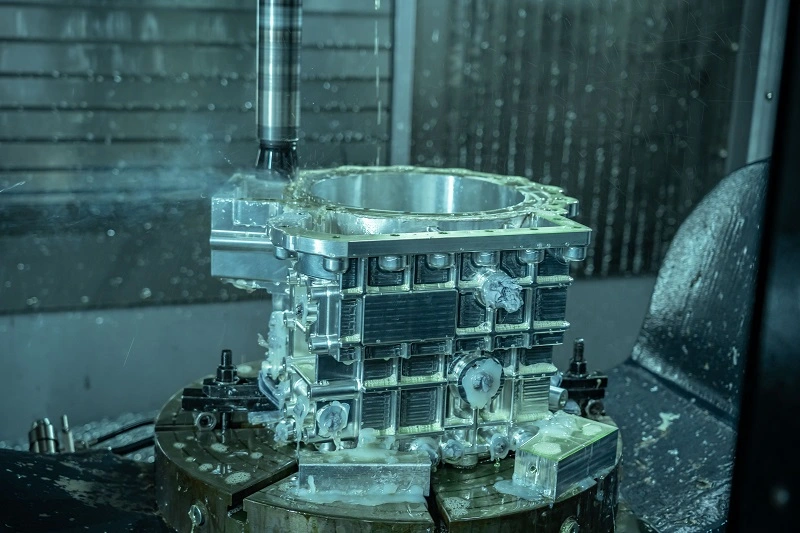
For automotive engineers, CNC machining remains the premier choice for prototyping because it uses the real production-grade materials—not simulants like 3D printing. However, moving from a prototype to high-volume production requires careful evaluation of three key factors: Material Properties, Tolerances, and DFM (Design for Manufacturability).
This guide outlines what our engineering team at Autoprototypes evaluates to ensure your prototypes are not just "show models," but functional engineering samples ready for validation.
1. Material Selection: Matching Production Reality
The value of a CNC prototype lies in its material fidelity. Unlike additive manufacturing, CNC machining allows you to test the exact alloy intended for the final part.
Common Automotive Grades We Machine:
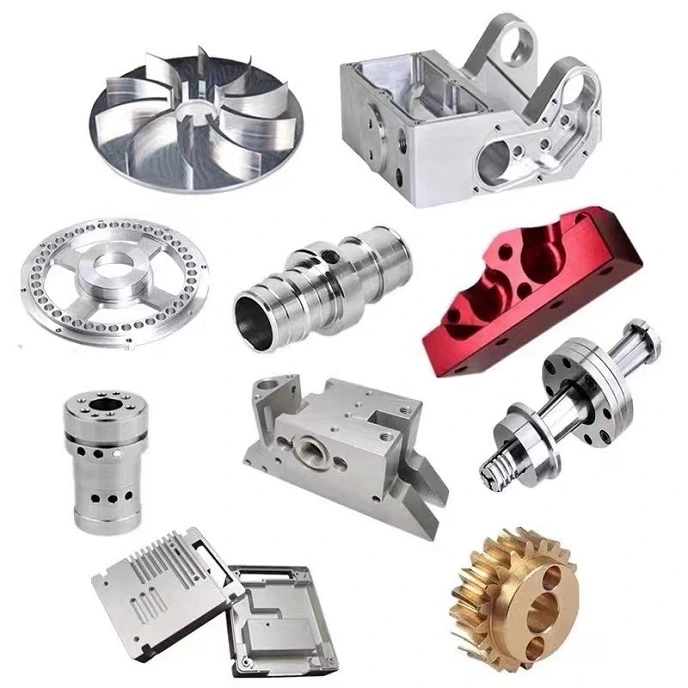
- Aluminum 6061-T6 & 7075-T6: Ideal for structural brackets, suspension components, and heat sinks due to their high strength-to-weight ratio.
- Stainless Steel 303/304/316: Essential for exhaust systems and corrosion-resistant clips.
- Engineering Plastics (POM, PEEK, Nylon): Used for interior mechanisms, gears, and bushings where low friction is required.
::div{class="bg-blue-50 p-6 rounded-xl border-l-4 border-blue-600 my-8"} 💡 Pro Tip for Engineers: If your final part will be die-cast (e.g., A380 Aluminum), we recommend using CNC machining to simulate the part first. While the grain structure differs, CNC allows you to verify fit and function (F&F) before investing $50k+ in die-casting tooling. ::
2. Tolerance Analysis: ISO 2768 and Beyond
Automotive assemblies leave no room for error. A rapid prototyping partner must understand the difference between "standard tolerances" and "critical fits."
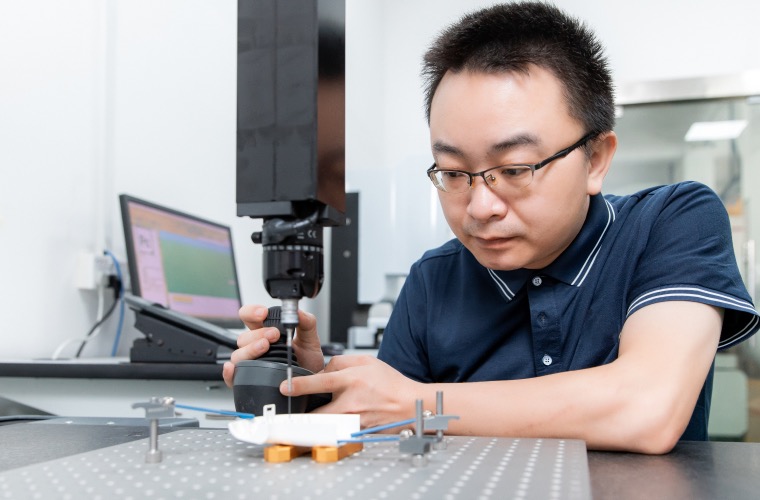
At Autoprototypes, we adhere to ISO 2768 (Medium/Fine) standards, but we know certain features need tighter control:
- Bearing Fits: H7/g6 tolerances for rotating assemblies.
- Mating Surfaces: Flatness and parallelism tolerances to ensure proper sealing (e.g., for EV battery enclosures).
Our Standard CNC Tolerances:
- General: +/- 0.1 mm (.004")
- Precision: +/- 0.01 mm (.0005") upon request
3. Surface Finishing: Aesthetic vs. Functional
For automotive interiors and exposed exterior parts, the finish is as important as the dimension.
- As-Machined: Suitable for hidden structural parts.
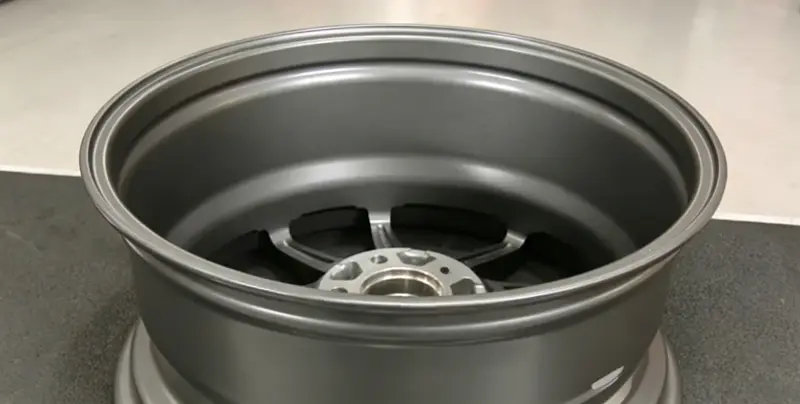
- Bead Blasting: Removes tool marks and provides a uniform matte finish (perfect for dashboard components).
- Anodizing (Type II & III): Essential for aluminum parts needing corrosion resistance and wear protection.
- Powder Coating: For durable, high-temp exterior finishes.
4. The "Golden Rule": Design for Manufacturability (DFM)
The biggest mistake we see is engineers prototyping a part that cannot be mass-produced efficiently.
Before we cut a single chip, our engineers perform a DFM Analysis. We look for:
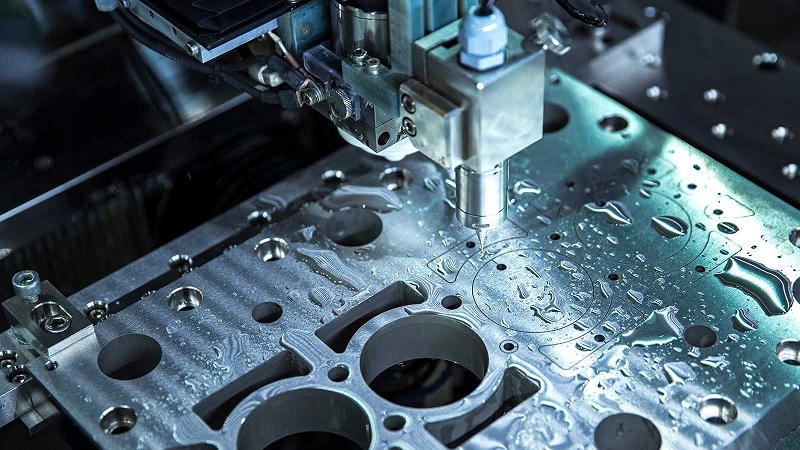
- Deep Pockets: Can we reduce corner radii to avoid expensive EDM processes?
- Thin Walls: Will the wall vibrate and chatter during machining? (We recommend >0.8mm min wall thickness).
- Undercuts: Can we redesign the part to avoid 5-axis machining if 3-axis suffices, saving you 30% in costs?
Why Top Automotive Tier 1s Choose Autoprototypes
We don't just "print" parts; we engineer them. With our recent IATF 16949:2016 Certification, we speak your language of PPAP, FMEA, and control plans.
Whether you are validating a new EV powertrain housing or a simple interior clip, our goal is to de-risk your program before you commit to hard tooling.
Ready to Validate Your Design?
Don't let a poor prototype delay your SOP (Start of Production). Upload your STEP/IGES files today, and our engineers will provide a comprehensive quote and DFM report within 24 hours.
Key Takeaways
- Choose the manufacturing process based on tolerance, material, load, surface finish and validation stage.
- For automotive prototypes, CNC machining is usually preferred when precision, repeatability and real engineering materials matter.
- A reliable supplier should support DFM review, inspection reporting, finishing, small-batch production and fast quoting.