Chassis Manufacturing Processes for Car Chassis Components
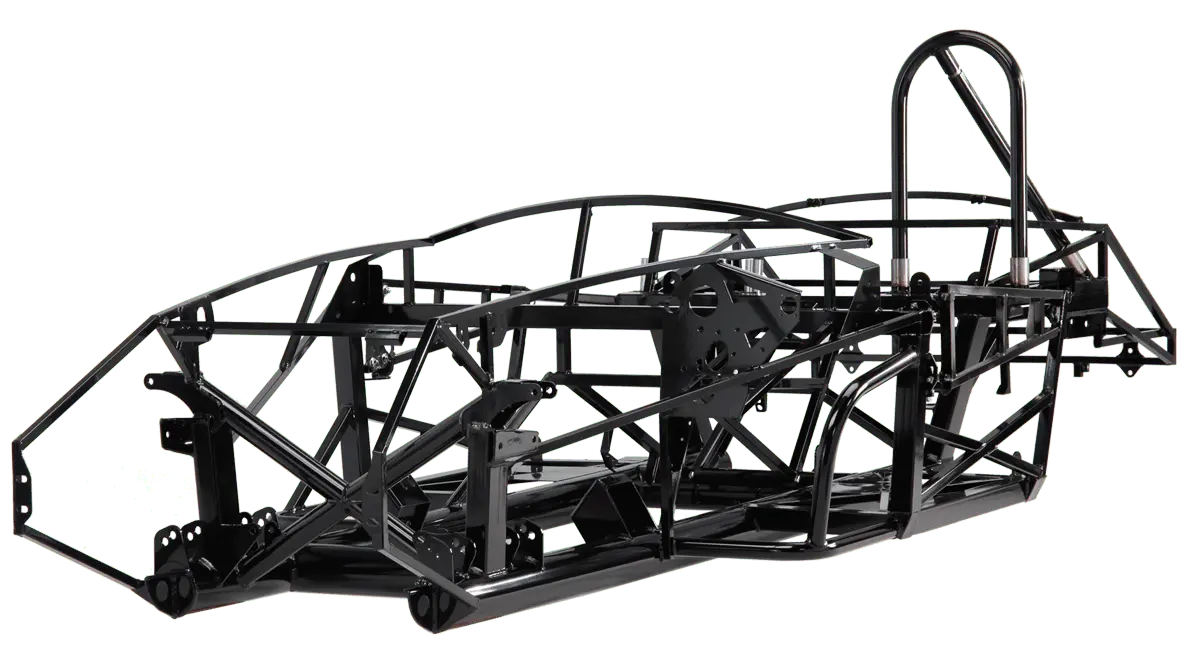
The car chassis serves as the backbone of every vehicle. It supports up to 4,000 pounds of weight and ensures passenger safety and vehicle performance. This vital component needs precise manufacturing processes.
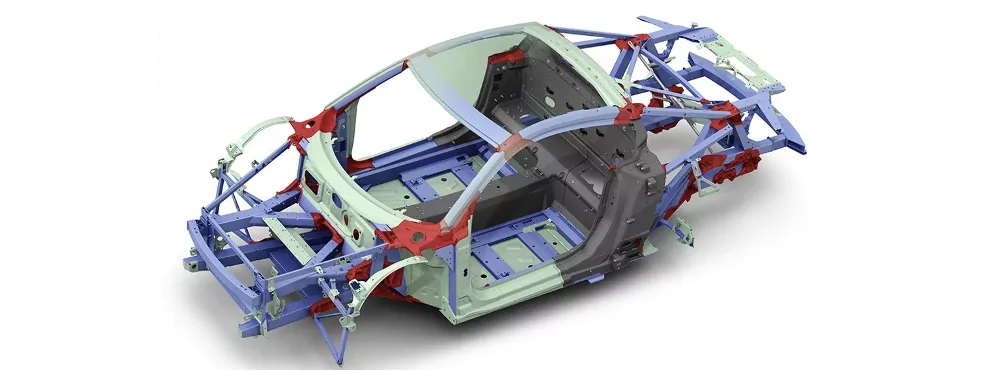
Car chassis manufacturing has shown the most important progress over the last several years. The industry has moved from simple ladder frames to sophisticated unibody constructions.
This guide will explore the standard manufacturing processes for making the chassis of a car.
Manufacturing Processes for Car Chassis Components
CNC Machining
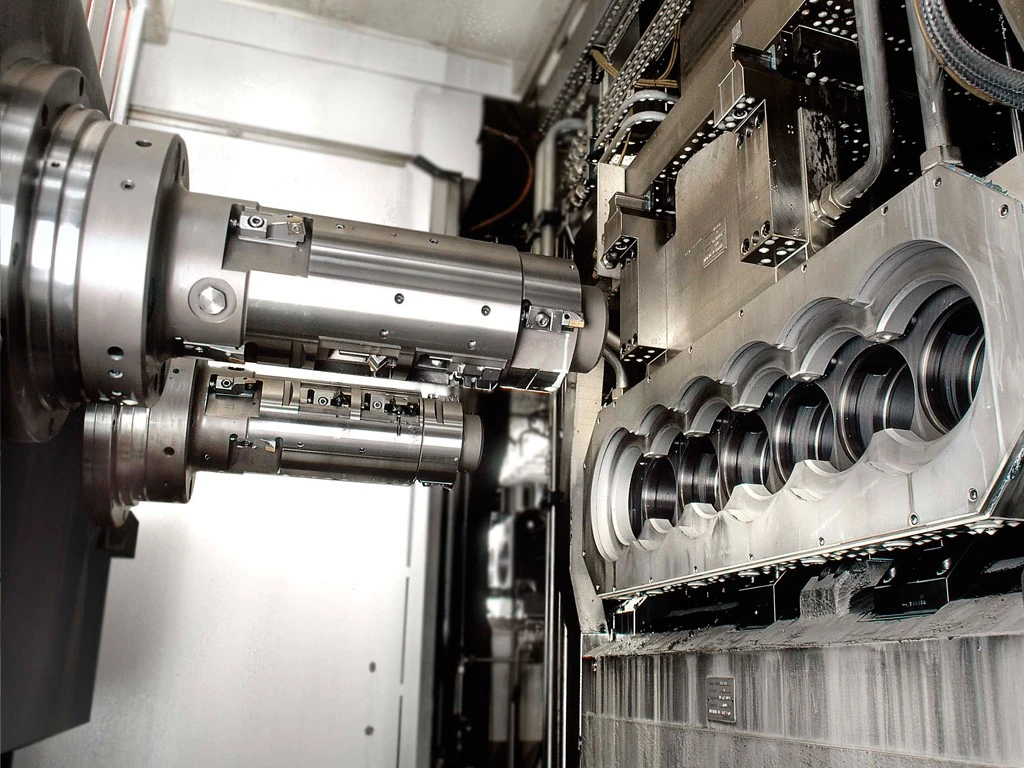
Custom CNC machining represents the pinnacle of precision manufacturing, utilizing sophisticated computer-controlled cutting tools to transform raw material blocks into intricately designed components.
This advanced subtractive manufacturing technique encompasses a wide range of operations, including high-precision milling, precise drilling operations, and specialized turning processes. CNC machining truly excels in creating complex geometric designs, particularly when utilizing state-of-the-art multi-axis machines that can approach the workpiece from various angles.
The versatility of CNC machining makes it exceptionally compatible with the diverse range of materials commonly used in car chassis manufacturing, including aircraft-grade aluminum alloys, high-strength steel variants, lightweight magnesium alloys, and advanced composite materials.
Sheet Metal Fabrication
Sheet metal fabrication encompasses a comprehensive suite of manufacturing processes designed to transform flat metal sheets into sophisticated structural components. These intricate processes include:
- Precision laser cutting
- Advanced welding techniques
- Complex bending operations
- Specialized forming procedures
- High-pressure stamping
This incredibly versatile manufacturing approach proves ideal for fabricating a wide array of critical chassis components, including load-bearing cross members, protective driveshaft panels, precision-engineered steering components, and high-performance suspension control arms. The primary advantage of sheet metal fabrication lies in its unique ability to produce exceptionally strong structural components while maintaining an optimal weight-to-strength ratio.
Die Casting
Die casting represents a sophisticated manufacturing process that involves carefully heating metal materials to their precise molten state before injecting them under high pressure into meticulously engineered pre-made molds. As the molten metal cools and solidifies, it takes on the exact shape of the mold cavity, creating highly detailed components with excellent dimensional accuracy.
This technique has become a cornerstone in the automotive industry, particularly for manufacturing critical chassis components such as engine blocks and transmission housings. While die casting typically involves longer production cycles compared to some other manufacturing methods, it proves exceptionally cost-effective and efficient for bulk production of automotive parts.
Car Chassis Components Finishing Options
While car chassis components typically remain hidden from view beneath the vehicle’s body, the application of appropriate surface finishing treatments plays a crucial role in enhancing their mechanical properties, ensuring long-term durability, and providing essential protection against environmental factors.
1. Anodizing
Anodizing represents a sophisticated electrochemical process that creates a highly durable and protective oxide layer on the surface of metal components, with aluminum being the most commonly treated material in automotive applications. This advanced surface treatment process involves carefully controlling electrical current through an electrolytic solution, which transforms the metal’s surface into an integrated oxide layer.
The resulting anodized coating significantly enhances the car chassis’ resistance to corrosion. The oxide layer demonstrates exceptional hardness properties, often reaching values between 250 and 400 on the Vickers scale, which significantly enhances the surface wear resistance of chassis components.
2. Painting
The automotive painting process has evolved into a highly sophisticated surface treatment method that goes far beyond mere decorative purposes. Modern automotive painting systems incorporate multiple specialized layers:
- Zinc-rich primer: Provides excellent adhesion and initial corrosion protection.
- Electrocoat primer: Offers additional corrosion resistance.
- Topcoat: Contains UV-resistant compounds and self-healing polymers.
3. Galvanizing
Galvanization represents a critical metal coating process that provides superior protection against corrosion through the application of a sacrificial zinc layer. When applied to chassis frame rails and other structural components, the galvanized coating typically achieves a thickness between 45 and 85 microns, providing long-term protection that can extend the service life of components by 50 years or more.
4. Polishing
The polishing process represents a precise surface finishing technique that utilizes carefully selected abrasive materials and sophisticated buffing compounds. By creating a smooth, uniform surface finish with roughness values often less than 0.1 micrometers, polishing significantly reduces friction and wear in moving components.
Material Selection and Processing
The right materials for chassis manufacturing are vital for vehicle performance and safety. Our material selection process looks at three main materials: steel, aluminum, and composites.
High-Strength Steel Processing Methods
Steel remains our top choice in chassis manufacturing because of its exceptional features. Modern high-strength steel is stronger, lighter, and stiffer than previous versions. Steel’s natural ability to absorb impact energy makes it valuable for safety-critical chassis parts.
Processing methods for high-strength steel include:
- Advanced hot-rolling techniques for complex components
- Precision forming for tight bending radii
- Specialized welding processes
- Heat treatment optimization to boost durability
Aluminum and Composite Material Handling
Aluminum use in our chassis manufacturing has grown significantly because it helps reduce weight. A properly implemented aluminum design can cut vehicle weight by 20-30%. Our advanced processing techniques have helped us cut steel use by up to 50% in body components by switching to aluminum.
Composite materials need specialized handling procedures to perform at their best. These materials are now vital in modern chassis design, especially for high-performance vehicles where weight reduction matters most.
Conclusion
Material selection analysis revealed the important balance between high-strength steel, aluminum, and composites. Through the strategic implementation of these finishing processes, manufacturers can significantly enhance the durability, performance, and longevity of car chassis components.
By thoroughly understanding and properly implementing these manufacturing processes and finishing options, manufacturers can consistently produce high-quality, durable car chassis components that not only meet but often exceed industry standards.
Looking for a Manufacturing Partner?
Autoprototypes offers expertise in automotive part manufacturing and delivers high-quality parts that match your specifications. Our advanced technology and skilled professionals ensure precision and reliability in every component.
Contact Us Now for more information.
Key Takeaways
- Choose the manufacturing process based on tolerance, material, load, surface finish and validation stage.
- For automotive prototypes, CNC machining is usually preferred when precision, repeatability and real engineering materials matter.
- A reliable supplier should support DFM review, inspection reporting, finishing, small-batch production and fast quoting.