Car Bumper: What We Need to Know
A vehicle is made up of various parts, each serving a specific purpose. One such component is the car bumper, which is often underestimated as a mere accessory. However, the car bumper plays a crucial role in ensuring safety, particularly during accidents or off-road driving.
Additionally, car bumpers contribute to the overall aesthetic appeal of the vehicle, enhancing its attractiveness. This article explores the functions of a typical car bumper, including the different types available and the materials used.
What is a Car Bumper?
Car bumpers are not just decorative features in cars; they serve a crucial purpose in promoting safety and durability while minimizing repair costs in accidents. Installed on the front and rear ends of the vehicle, these components are designed to absorb impact upon collision, protecting the car body and other structural elements. By fulfilling their primary function of absorbing impact, bumpers play a vital role in reducing damage and ensuring the overall safety of the vehicle.
What’s more, automotive bumpers serve to protect various car components, including the car chassis, brake system, and suspension parts. Initially, these bumpers were made of metal to provide sufficient protection by absorbing shocks and impacts. However, these designs are prone to breaking upon collision. As a result, modern bumper designs utilize flexible materials that act as a buffer, dispersing the kinetic energy of a crash.
Functions of a Car Bumper
Car bumpers are more than just aesthetic additions to a vehicle. They serve crucial roles in safety, protection, and even fuel efficiency.
Impact Absorption
The most important function of a car bumper is to absorb impact during low-speed collisions.
- Energy Dissipation: Bumpers are designed to crumple or deform upon impact, absorbing kinetic energy and reducing the force transmitted to the vehicle’s frame and occupants.
- Pedestrian Safety: Modern bumpers are also designed with pedestrian safety in mind, featuring softer materials and designs that reduce injury severity in case of accidents involving pedestrians.
Vehicle Protection
Bumpers act as a shield for critical vehicle components.
- Engine Protection: In frontal collisions, bumpers help protect the engine and other vital mechanical parts.
- Body Panel Preservation: By absorbing minor impacts, bumpers prevent damage to more expensive body panels and structural components.
Aerodynamics
Modern bumper designs contribute to the overall aerodynamics of a vehicle.
- Reduced Drag: Sleek, well-designed bumpers help reduce air resistance, improving fuel efficiency.
- Airflow Management: Some bumpers include vents or channels that direct airflow to cool the engine or brakes.
Aesthetic Appeal
While primarily functional, bumpers also play a significant role in a car’s appearance.
- Brand Identity: Bumper designs often incorporate elements that reflect a car manufacturer’s brand identity.
- Customization Options: Aftermarket bumpers allow car enthusiasts to personalize their vehicles’ appearance.
Legal Compliance
Car bumpers must meet specific legal requirements in many countries.
- Height Regulations: Many jurisdictions specify the allowable height range for bumpers to ensure compatibility with other vehicles in collisions.
- Impact Resistance Standards: Bumpers are required to withstand impacts at certain speeds without damage to the vehicle’s safety systems.
What are the Components of a Car Bumper?
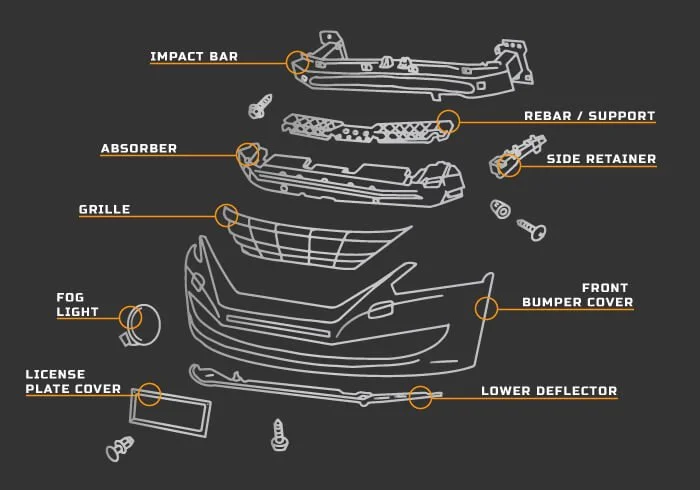
Car bumpers are complex assemblies designed to protect vehicles and their occupants during collisions. While they may appear simple from the outside, modern car bumpers consist of several key components working together to provide safety, aesthetics, and functionality.
The main bumper structure forms the core of the entire bumper system. It’s designed to absorb and distribute impact forces, protecting both the vehicle and its occupants. This structure typically consists of three primary components working in unison:
- Bumper Beam: The central, load-bearing element of the bumper system. It’s a horizontal bar that spans the width of the vehicle, providing structural integrity and support. The beam is typically made of high-strength materials like steel, aluminum, or advanced composites to withstand significant impact forces.
- Impact Absorbers: These are energy-dissipating units attached to the ends of the bumper beam. They’re designed to compress or deform during a collision, absorbing and dispersing the kinetic energy of the impact. This helps reduce the force transmitted to the vehicle’s frame and occupants. Impact absorbers are often made of materials like foam, plastic, or specially engineered structures that can deform and recover.
- Mounting System: This system connects the bumper assembly to the vehicle’s frame or body. It typically consists of brackets, bolts, and fasteners that secure the bumper in place while allowing for some flexibility during impact. The mounting system is crucial for ensuring that the bumper performs its protective function effectively while remaining securely attached to the vehicle.
These components work together to create a robust yet flexible structure capable of handling various types of impacts while minimizing damage to the vehicle and reducing injury risk to occupants and pedestrians.
Material Options for Designing Car Bumpers
Car bumpers are critical components of a vehicle, designed to absorb impact and protect both the vehicle and its occupants during collisions. The choice of materials used in bumper design significantly influences their performance, durability, and cost.
Aluminum
Aluminum, a versatile metal, is frequently employed in the construction of primary bumper structures and reinforcement bars. This lightweight material boasts remarkable strength and superior impact absorption capabilities. Furthermore, aluminum’s inherent resistance to rust and corrosion ensures long-lasting durability. While plastic bumpers may be more cost-effective, aluminum bumpers provide enhanced protection, making it the preferred choice for automakers designing high-performance and heavy-duty vehicles.
Carbon Fiber
Carbon fiber, renowned for its exceptional properties, has established itself as a cornerstone material in the automotive industry. This remarkable substance combines extraordinary strength with minimal weight, providing unparalleled impact resistance. However, due to its high cost, carbon fiber’s application is primarily limited to high-end vehicles and sports cars.
Acrylonitrile Butadiene Styrene (ABS)
Acrylonitrile Butadiene Styrene (ABS) stands out as a premier choice for car bumper covers, offering an optimal blend of strength and flexibility. This innovative thermoplastic polymer not only enhances fuel efficiency through its lightweight properties but also provides robust impact resistance.
Polycarbonate
Polycarbonate emerges as the material of choice for crafting car bumper structures and covers, setting new standards in automotive engineering. This innovative lightweight plastic exhibits unparalleled impact resistance, cementing its role as a cornerstone of vehicular durability.
Types of Car Bumpers
Car bumpers play a crucial role in vehicle safety and aesthetics. Over the years, various types of bumpers have been developed to meet different needs and regulations.
- Standard Plastic Bumpers: Typically made from thermoplastic olefin (TPO) or polypropylene, are the most common type in modern vehicles. They are lightweight, cost-effective, and easy to manufacture and replace.
- Steel Bumpers: Once the standard in the automotive industry, known for their extreme durability and strength. They provide maximum protection but are heavier and prone to rust if not maintained.
- Aluminum Bumpers: Offer a balance between the strength of steel and the lightweight properties of plastic. They are corrosion-resistant and have good energy absorption properties.
- Composite Bumpers: Made from a combination of materials such as fiberglass, carbon fiber, and plastic resins, boasting a high strength-to-weight ratio.
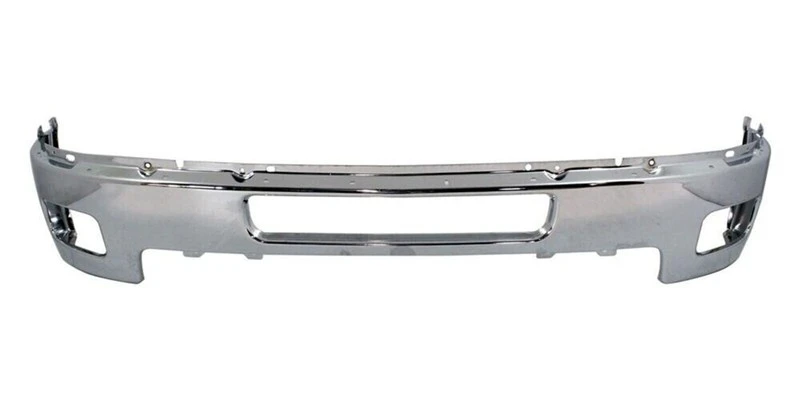
- Chrome Bumpers: More commonly found on classic cars, feature a highly reflective, polished appearance. Typically made of steel with a chrome plating.
- Step Bumpers: A specialized type commonly found on trucks and SUVs. They feature an integrated step for easy access to the truck bed.
Conclusion
Car bumpers are essential vehicle components located at the front and rear, designed to minimize crash impacts, enhance safety, and improve overall aesthetics. Available in various designs and styles, each bumper type emphasizes different functions, such as protection, aesthetics, or performance. As a result, car owners often customize their bumpers to meet specific aesthetic preferences, safety needs, or functional requirements, ensuring their vehicle not only looks great but also offers optimal protection.
Autoprototypes: Expert Automotive Car Parts Customization
Are you looking for expert custom services for your vehicle? At Autoprototypes, we specialize in the customization of high-quality automotive prototypes and parts.
Whether you need custom car headlights, dashboards, suspension systems, or bumpers, we tailor our services to meet your specific requirements. Utilizing advanced techniques like CNC machining, vacuum casting, 3D printing, and various post-finishing processes, we deliver high-precision, cost-effective products for all your automotive projects.
Key Takeaways
- Choose the manufacturing process based on tolerance, material, load, surface finish and validation stage.
- For automotive prototypes, CNC machining is usually preferred when precision, repeatability and real engineering materials matter.
- A reliable supplier should support DFM review, inspection reporting, finishing, small-batch production and fast quoting.