Custom Car Door Handle Manufacturing with CNC Precision
Car door handles serve as critical interface components between drivers and their vehicles. While standard factory handles fulfill basic functions, custom door handles offer enhanced ergonomics, durability, and visual appeal. The advent of CNC machining enables precise manufacturing of these automotive components, allowing car owners to replace mass-produced handles with personalized designs.
Custom automotive door handles blend practical functionality with aesthetic preferences. Car enthusiasts often seek specialized exterior handles matching their vehicle’s design elements or interior handles complementing cabin modifications. CNC precision manufacturing creates these custom components with exact specifications, maintaining proper fitment and operational requirements.
This article examines the complete process of crafting custom car door handles through CNC machining. The discussion covers design considerations, material selection, manufacturing steps, and installation procedures. Understanding these aspects helps car owners make informed decisions about handle customization while ensuring safety and functionality.
Planning Custom Door Handle Design
Custom car door handles require careful consideration of both mechanical function and visual appeal. The design process focuses on creating components that enhance vehicle aesthetics while maintaining operational safety and durability.
Door Handle Mechanics and Requirements
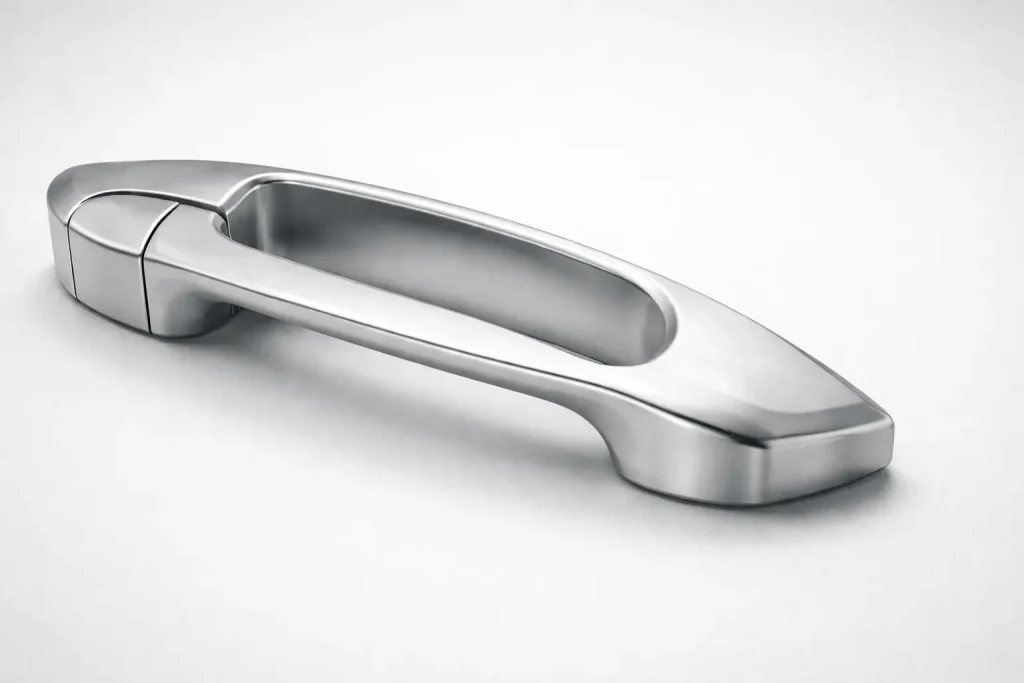
Car door handles function as complex mechanical systems connecting to internal latching mechanisms through metal rods and cables. Modern automotive handles integrate both traditional mechanical components and electronic features for smart entry systems. These components must withstand thousands of operational cycles while maintaining consistent performance.
Technical Documentation Requirements
The manufacturing process begins with detailed technical drawings and 3D models. CNC machining demands precise specifications to achieve optimal functionality. CAD files must detail every aspect of the custom design, ensuring proper fitment and mechanical compatibility.
Key elements technical documentation must address:
- Dimensional specifications
- Material requirements
- Surface finish parameters
- Assembly tolerances
- Integration points
Material Selection Guidelines
Material choice determines both durability and manufacturing possibilities. Below are the primary materials suitable for car door handles:
- Aluminum Alloys: Feature tensile strength of 43-46 ksi with density ranging 0.095-0.099 lbs/cu. in.
- Stainless Steel: Offers maximum durability and corrosion resistance.
- High-Grade Plastics: Including PBT and fiber-reinforced PA for lightweight applications.
Aluminum billet, particularly grades 6061 and 7075, provides excellent machinability while maintaining structural integrity. Exterior handle materials must withstand environmental factors like humidity, UV exposure, and temperature changes. The selected material also influences available finishing options – aluminum accepts anodizing or powder coating, while stainless steel suits polishing or brushing treatments.
What’s more, door handle designs must comply with automotive safety standards. Each component requires proper engineering to handle mechanical stress from regular operation throughout the vehicle’s service life.
CNC Machine Setup Requirements
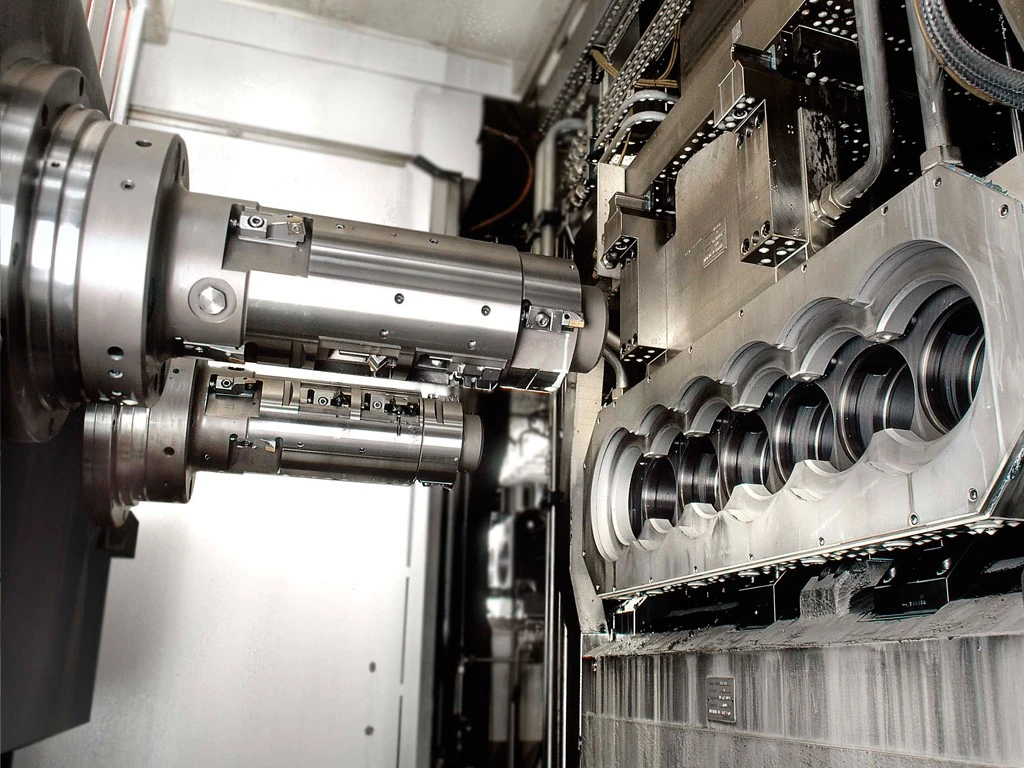
CNC machining demands precise setup procedures for manufacturing custom door handles. The process combines proper tooling configuration, material preparation, and safety protocols to achieve optimal results.
Programming and Parameter Configuration
CAD designs require conversion into machine-readable G-code through CAM software. Door handle manufacturing, particularly with aluminum components, benefits from specific cutting parameters. Light feed rates combined with controlled spindle speeds produce superior results for intricate handle details.
Material Handling and Fixture Setup
Proper workpiece mounting promotes machining accuracy. Specialized hydraulic CNC vises deliver consistent clamping pressure. Complex handle designs often require modular fixturing systems with adjustable components for precise positioning.
Essential material preparation steps:
- Material specification verification
- Surface cleaning procedures
- Defect inspection protocols
- Proper clamping force application
Safety Protocols and Operating Guidelines
Machine operation safety remains paramount during handle production. Protective measures minimize risks from flying debris during machining operations.
Critical safety requirements:
- Safety interlock verification
- PPE requirements including goggles and hearing protection
- Emergency stop system testing
- Workspace organization standards
- Tool installation protocols
Aluminum door handle production requires careful control of machining parameters. Proper speed and feed combinations prevent tool failure. Coolant management plays a vital role in both tool longevity and surface quality.
CNC Machining Process for Door Handles
Custom door handle manufacturing requires precise machining operations. The process combines material removal techniques with quality control measures to create functional automotive components.
Material Roughing Procedures
Material removal begins with high-speed roughing operations. CNC machines shape basic handle forms through aggressive cutting cycles. Higher feed rates and cutting depths maximize production efficiency. Proper coolant management becomes essential during this phase, as material removal generates significant thermal energy.
Precision Finishing Operations
Door handle production demands exact dimensional control through precision finishing cuts. Light cutting parameters at controlled speeds achieve required tolerances. Specialized tooling creates superior surface qualities for aluminum components, maintaining accuracy within ±0.001 inches.
Critical finishing requirements:
- Surface finish specifications
- Dimensional tolerances
- Tool selection parameters
- Cutting speed optimization
Quality Verification Methods
Quality control measures ensure handle components meet automotive standards. Essential inspection procedures include:
- CMM dimensional verification
- Profilometer surface testing
- Machine performance monitoring
- Feature tolerance inspection
Door handle manufacturing requires strict quality protocols. Advanced monitoring software tracks production metrics, enabling consistent quality control. Continuous assessment of machining conditions prevents potential defects.
What’s more, surface finish quality directly affects both handle aesthetics and functionality. Careful calibration of finishing operations achieves specified roughness parameters, creating handles that combine visual appeal with proper tactile response.
Post-Machining Surface Treatment
Door handle manufacturing requires specific finishing operations after CNC machining. These procedures enhance component durability while creating distinctive aesthetic qualities.
Surface Enhancement Methods
Surface finishing options for custom door handles:
- Powder coating applications for durability and color variety
- Anodizing treatments for oxide layer protection
- Electroplating procedures for reflective finishes
- Polishing techniques for smooth surfaces
- Sandblasting operations for texture uniformity
- Brushing methods for directional patterns
Texture Application Procedures
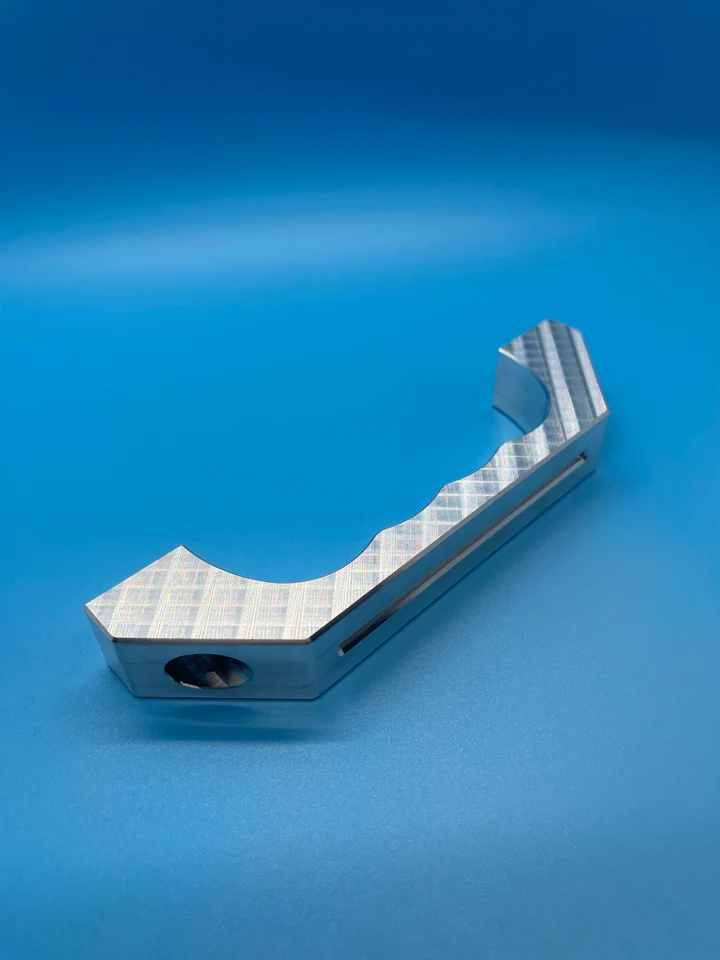
Custom door handles demand specific surface characteristics. Bead blasting creates matte finishes that minimize fingerprint visibility. Metal handle components benefit from brushing techniques, producing directional patterns that improve grip qualities while enhancing visual appeal.
Heat Treatment Protocols
Essential heat treatment steps for door handle components:
- Stress relief procedures for machining tension removal
- Temperature control based on material specifications
- Monitored cooling operations
- Hardness optimization through tempering
Aluminum components typically undergo anodizing treatments, creating protective layers while enabling color options. Steel handle components benefit from case hardening, combining exterior durability with core flexibility. These treatments promote wear resistance for frequent-contact surfaces.
Door Handle Installation and Testing
Custom door handle installation combines precise fitment procedures with comprehensive testing protocols. The process demands careful attention to mechanical alignment and electronic integration.
Handle Mechanism Installation
Door handle installation requires exact component alignment with existing door mechanisms. Critical dimensions demand tolerances within ±0.001 inches for proper operation.
Essential installation steps:
- Existing handle assembly removal
- Mounting surface preparation
- Reinforcement bracket installation
- Handle mechanism positioning
- Torque-specific mounting
- Linkage and electrical connection
Panel Modification Requirements
Custom handles often need specific panel adjustments. CNC routing equipment creates precise mounting locations and button holes. Aluminum component installation requires 1.437-inch diameter pocket fits for optimal operation.
Performance Testing Procedures
Critical testing protocols:
- Mechanical operation verification
- Latch mechanism testing
- Weather seal evaluation
- Electronic integration checks
- Safety system validation
Handle operation demands smooth movement patterns. Proper adjustment prevents binding while maintaining consistent performance. Electronic handle components undergo sensor integration testing before final approval.
What’s more, operational testing focuses on balancing security with ease of use. Multiple test cycles verify consistent performance levels. Spring tension adjustment remains crucial – excessive tension hampers operation while insufficient tension compromises security.
Custom Door Handle Manufacturing Summary
Custom door handles manufactured through CNC precision combine engineering excellence with personalized automotive design. The manufacturing process integrates material selection, machining precision, and surface finishing techniques to create distinctive vehicle components.
Essential aspects of door handle customization:
- Material selection parameters
- CNC machining specifications
- Surface treatment requirements
- Installation protocols
- Testing procedures
Looking for a Manufacturing Partner?
Are you looking for a supplier for your custom Automotive parts manufacturing project? Autoprototypes is an ISO-certified company with a team of highly experienced professionals who provide outstanding services at very competitive prices.
Whether you need automotive parts or precision components, our machining capabilities meet your all needs. Contact us today to get a quote.
Key Takeaways
- Choose the manufacturing process based on tolerance, material, load, surface finish and validation stage.
- For automotive prototypes, CNC machining is usually preferred when precision, repeatability and real engineering materials matter.
- A reliable supplier should support DFM review, inspection reporting, finishing, small-batch production and fast quoting.