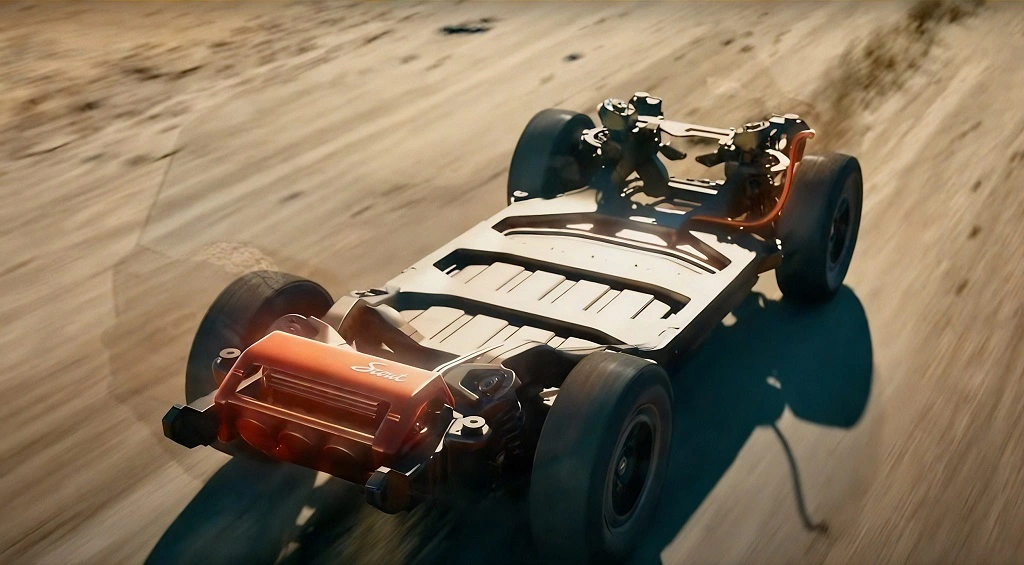
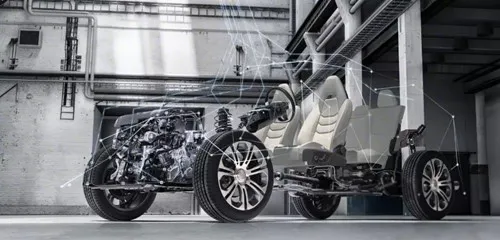
Reflections on the Transformation of Automotive Manufacturing Processes: The Shift to Rapid CNC
The automotive industry is currently undergoing its most significant transformation since the invention of the assembly line.
Driven by the transition to Electric Vehicles (EVs) and the demand for personalized mobility, the old rules of manufacturing—"Mass Production above all else"—are being rewritten.
As a manufacturer sitting at the intersection of design and production, we have witnessed this shift firsthand. Here are our reflections on how automotive manufacturing processes are evolving and what it means for engineers today.
1. From "Years" to "Weeks": The Speed of Prototyping
A decade ago, validating a new chassis component might involve waiting 12 weeks for a casting mold. Today, speed is the new currency.
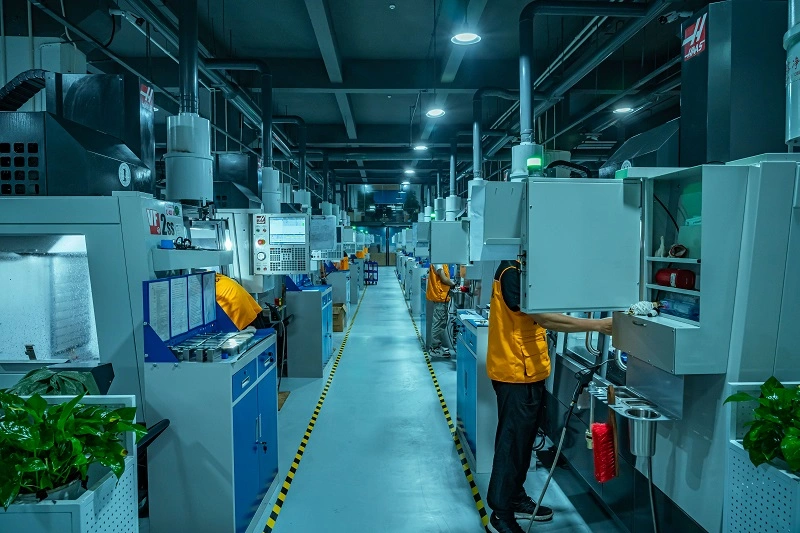
Modern Rapid Prototyping technologies, particularly high-speed CNC Machining, have compressed development cycles. Engineers can now upload a CAD file on Monday and receive a functional, production-grade aluminum prototype by Friday.
This agility allows for iterative design—testing, failing, and improving—at a pace that was previously impossible.
2. The Rise of "High-Mix, Low-Volume"
The days of a single car model selling 500,000 units unchanged are fading. Consumers want niche variants, performance editions, and custom features.
This has forced a shift away from rigid, expensive hard tooling (Dies and Molds) toward flexible manufacturing processes like 5-Axis CNC Machining.
- Old Way: Invest $100k in tooling for a part that might change next year.
- New Way: CNC machine batches of 500-1,000 units on demand. No tooling costs, no inventory risk.
::div{class="bg-blue-50 p-6 rounded-xl border-l-4 border-blue-600 my-8"} 📉 Market Insight: Startups and boutique EV manufacturers rely heavily on this "Virtual Factory" model. They design the car, but rely on agile partners like Autoprototypes to handle the complex manufacturing of chassis and powertrain components. ::
3. Lightweighting is No Longer Optional
With the weight of EV battery packs, shaving grams off the chassis is critical for range. This has transformed material selection.
We are seeing a massive migration from stamped steel to Billet Aluminum and Titanium. Manufacturing these advanced materials requires specialized expertise in tool path optimization and stress management—capabilities that standard machine shops often lack.
(Read more: A Real-World Look at Billet Aluminum Parts)
4. Quality Standards are Tightening
As manufacturing becomes faster, the risk of error increases. This is why certifications like IATF 16949 have become the gatekeeper of the industry.
It is no longer enough to just make a part that "looks right." Digital traceability, CMM reports, and material certifications must accompany every shipment. The transformation is not just about making parts faster; it is about making them smarter.
Conclusion: Adapting to the New Era
The transformation of automotive manufacturing is not a future event—it is happening right now. The winners in this new era will be the engineers and companies that embrace agility, precision, and partnership.
At Autoprototypes, we have built our entire operation around this new reality. We are ready to be the agile manufacturing engine for your next innovation.
Key Takeaways
- Choose the manufacturing process based on tolerance, material, load, surface finish and validation stage.
- For automotive prototypes, CNC machining is usually preferred when precision, repeatability and real engineering materials matter.
- A reliable supplier should support DFM review, inspection reporting, finishing, small-batch production and fast quoting.